
Now that the legislature is back in session, there are a few bills to keep an eye on.
E-Bike Definition and Local Regulation
Senate Bill 970, and a nearly identical House Bill 1084 have recently been introduced.
These bills aim to better define electric assisted bicycles and add the 3 class system that is generally accepted around the country. Prior to this bill’s introduction, electric assisted bicycles in North Carolina were defined based on the size of the motor (max 750 watts) and the top speed (20 mph). The class 3 ebikes are currently not defined as bicycles in NC because they have a top speed of 28 mph. This puts them in a gray area, where they are closer to mopeds.. Whether or not the new class 3 definition will come with additional regulations remains to be seen.
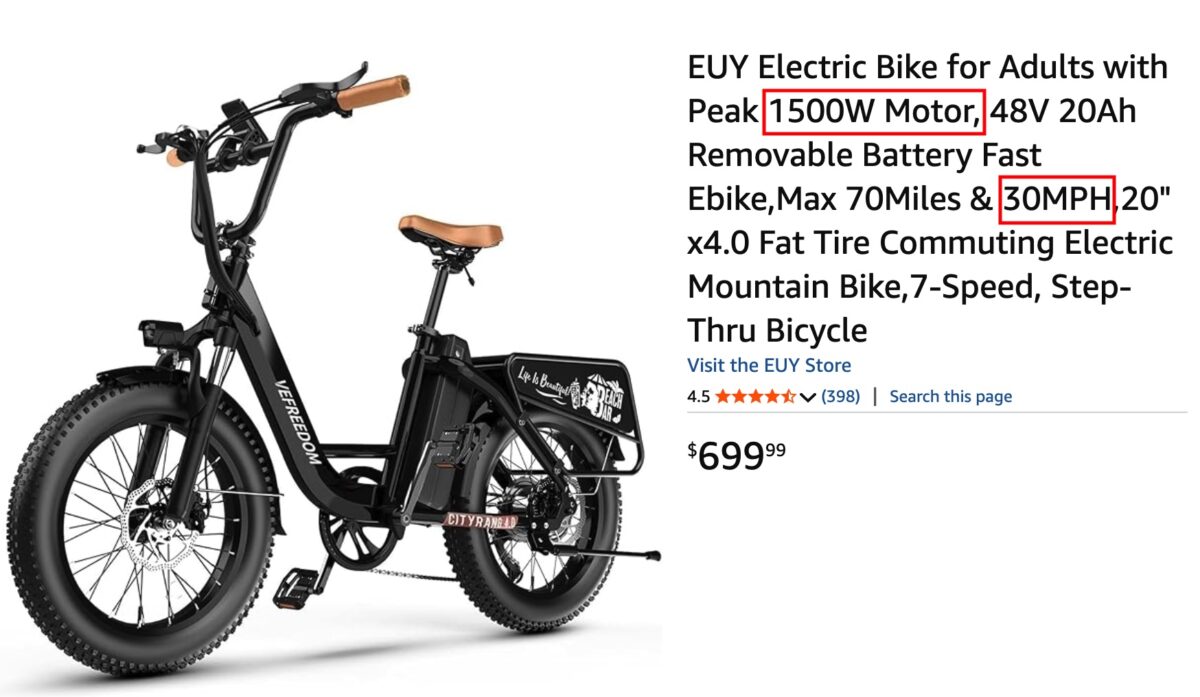
The sudden rush around the country to update transportation laws regarding ebikes comes on the heels of an increase in reported crashes (many involving kids), as well as loud complaints to legislators about “close calls” and erratic riders. Many vehicles referred to as “e-bikes” do not fit the current or proposed definition of an electric assisted bicycle. They are being sold on the internet as “e-bikes” to uninformed parents or adults, but they have much more powerful motors and higher speeds. (How often have we seen headlines about a crash with “E-bike” in the heading, only to realize when we look at the photo that the involved vehicle was an e-moto or off road electric motorcycle.) These new state laws are presumably to make our roads safer.
Surprisingly, then, one thing missing in the bills is any regulation of how these bikes will be identified. How will those charged with enforcing laws know what type of vehicle they are encountering? Hawaii recently also introduced a “bicycle bill” , and it has a very detailed section devoted to the requirements for labeling, signage, and public information for manufacturers and distributors of electric bicycles. North Carolina would be wise to include this sort of language as well. We also want to be sure that giving more leeway to local ordinances does not allow cities to override state laws.
For a deep dive into the difference between electric assisted bicycles, mopeds, and e-motos, read Steven Goodridge’s article on “Drawing the Line Between Bicycles and Mopeds”
The Seatbelt Act
Another bill being introduced is House Bill 1199. Despite the misleading title, the bill has a section that supports ISA (Intelligent Speed Assistance) installation in the cars of repeat speeders. Given that speed is a contributing factor in over a third of all road fatalities, and that studies in the U.S. show a small group of repeat “super speeders” are up to five times more likely to be involved in a serious or fatal crash, installing an aftermarket ISA system that prevents a driver from exceeding the speed limit could be one tool to make our streets safer.
We’ll see where these go in the next few weeks, and will update this article or publish another.
Additionally, the statewide advocacy group, BikeWalk NC will be at the NC State Legislature Wednesday on lobby day to learn m ore and engage elected officials. Find out more about this organization here